
light up bathroom vanity mirror
Understanding Thread Ring Gages 6H and 6G A Comprehensive Overview Thread ring gages are essential tools in the manufacturing and engineering sectors, particularly for ensuring the accuracy and quality of threaded components. Among the various classifications, the 6H and 6G thread ring gages stand out due to their precision and applicability in different contexts. What Are Thread Ring Gages? Thread ring gages are specialized measuring instruments used to check the external threads of a workpiece. They help determine whether the threads conform to specified dimensions and tolerances. Typically, these gages come in two primary forms internal and external. For external threads, ring gages are used, while plug gages are used for internal threads. Understanding 6H and 6G Classes The designation of thread ring gages includes a number followed by a letter, where the number indicates the tolerance class and the letter indicates the type of thread form. In the case of 6H and 6G - 6H The 'H' indicates a high degree of fit and is commonly associated with external threads. It allows for a small allowance between the gage and the workpiece, which facilitates ease of fitment. The 6H class is typically used for threads that are less critical in terms of load-bearing and precision but still require a reliable performance. thread ring gauge 6h and 6g - 6G On the other hand, the 'G' refers to a general-purpose fit suitable for various applications. The 6G class provides a tighter tolerance than the 6H class and is used for more demanding applications where precision is paramount, such as in hydraulic fittings or high-stress mechanical assemblies. The 6G gage ensures that the threads are not only dimensionally correct but also functional under stress. Applications and Importance The choice between a 6H and 6G thread ring gage depends on the requirements of the specific application. Industries ranging from aerospace to automotive and machinery rely heavily on these gages to maintain high standards of quality control. Accurate thread measurements can prevent costly failures, ensuring that components meet safety and performance specifications. Additionally, the use of proper gaging helps streamline production processes, reducing the time spent on inspections and reworks. With automatic thread measuring systems increasingly being incorporated into manufacturing lines, the role of thread ring gages remains crucial in maintaining the integrity of threaded connections. Conclusion In summary, thread ring gages 6H and 6G are indispensable tools in the industry for ensuring the reliability and accuracy of threaded components. Understanding their differences and applications helps engineers and manufacturers choose the right gage for their specific needs, ultimately contributing to higher quality products and improved operational efficiency.
about
light up bathroom vanity mirror
Understanding Sheet Metal Fabrication A Comprehensive Overview Sheet metal fabrication is a crucial process in the manufacturing industry that involves the conversion of flat sheets of metal into various shapes and structures. This process plays an essential role in producing components for different applications, including automotive, aerospace, electronics, and construction industries. The demand for precise and versatile metal fabrication continues to grow as technology evolves and industries seek efficient production methods. The fundamental concept of sheet metal fabrication revolves around the manipulation of metal sheets, typically ranging from 0.006 to 0.250 inches in thickness. Various metals, including aluminum, steel, brass, and copper, are commonly used due to their unique properties. Each type of metal brings specific advantages; for example, aluminum is lightweight and resistant to corrosion, while steel is known for its durability and strength. The sheet metal fabrication process encompasses several key techniques, including cutting, bending, and assembling. Cutting is often the initial step, and it can be achieved through various methods such as laser cutting, waterjet cutting, and shear cutting. Laser cutting offers high precision and is ideal for complex designs, while waterjet cutting utilizes high-pressure water streams to cut through metal, making it suitable for thicker materials. Once the sheets are cut into the desired shapes, the bending process follows. Bending is typically executed using press brakes, which apply force to the metal sheet to create angled bends . This process requires careful calculations, as the bending radius and angle must be precise to ensure the final product meets required specifications. sheet metal fabrication table After cutting and bending, parts often require assembling. This can be accomplished using techniques such as welding, riveting, and fastening with screws or bolts. Welding is particularly popular, due to its ability to create strong joints without additional materials. However, it requires skilled labor and proper safety measures, as it involves high temperatures and potential hazards. One of the significant advancements in sheet metal fabrication is the integration of computer numerical control (CNC) technology. CNC machines provide improved accuracy, efficiency, and repeatability in the fabrication process. By using computer-aided design (CAD) software, manufacturers can create intricate designs that the CNC machines execute with high precision. This technology reduces human error and enhances productivity by allowing for automated, high-speed production. Quality control is paramount in sheet metal fabrication, as precision is crucial for ensuring that components fit and function as intended. Manufacturers often implement rigorous inspection processes, utilizing gauges, calipers, and sometimes advanced systems like laser scanning to verify dimensions and tolerances. Consistent quality assurance not only upholds product reliability but also fosters customer trust. Sustainability is also becoming a key consideration in the sheet metal fabrication industry. With the increasing emphasis on eco-friendly practices, manufacturers are seeking ways to minimize waste and optimize resource use. Techniques such as nesting software help maximize material usage by optimizing the layout of parts on sheets, thereby reducing scrap. Additionally, some companies are exploring the recycling of metal scraps, turning waste into a resource. In conclusion, sheet metal fabrication is a vital process that combines traditional craftsmanship with modern technology to produce a wide range of components for various industries. Its versatility, ability to create complex designs, and advancements in technology ensure that sheet metal fabrication will continue to play a significant role in manufacturing. As the industry evolves, embracing innovations and sustainable practices will be essential to meet the changing demands of the market and contribute positively to the environment. The future of sheet metal fabrication looks promising, driven by innovation, precision, and sustainability.
-

High quality industrial productsagement

High quality industrial products
View Details -

Meet the diverse needs of customers

Meet the diverse needs of customers
View Details -

Strict quality control

Strict quality control
View Details -

Top raw materials

Top raw materials
View Details -

Trusted supplier

Trusted supplier
View Details
Our application


news and information
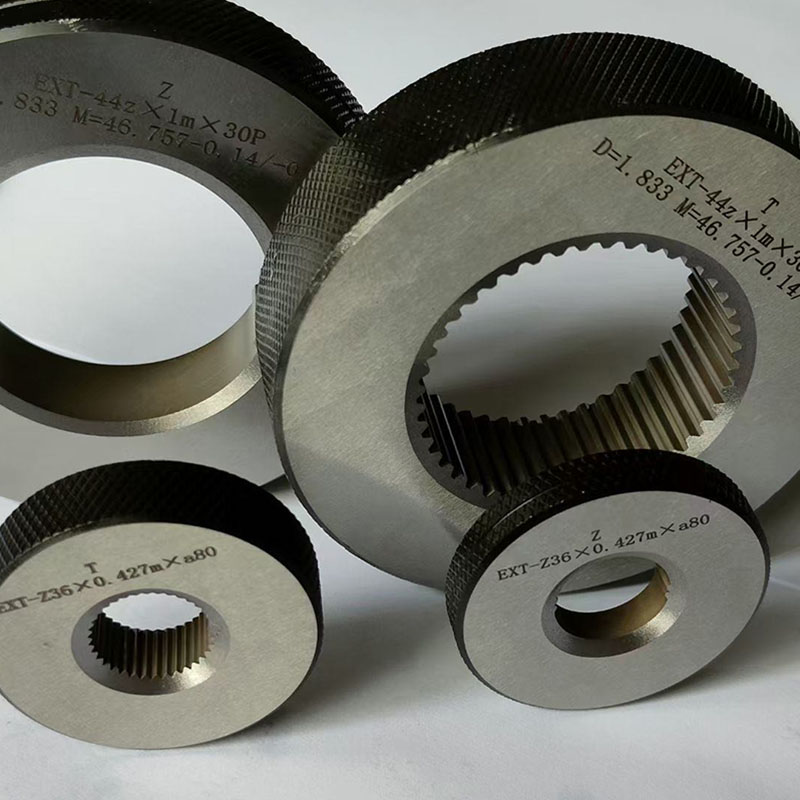
Vòng vít đo
Đồ đo độ dày của vòng và vít Công cụ thiết yếu trong ngành công nghiệp Trong ngành công nghiệp hiện

Welding Workbench for 4x8 Projects A Sturdy and Versatile Solution for Fabrication Work
Welding is a crucial process in the manufacturing industry, and having the right equipment is essent
Wooden joist hanger connectors for secure structural support.
The Importance of Wood Joist Hangers and Connectors in Construction Wood joist hangers and connecto
 English